As more people embrace the beauty of nature and embark on outdoor adventures like hiking or camping, it becomes crucial to emphasize the importance of responsible outdoor practices. One of the key philosophies guiding outdoor ethics are the Leave No Trace principles. Whether you’re a seasoned hiker or just starting your outdoor journey, understanding and adhering to these principles will help preserve the natural environment for generations to come. Let’s explore the Leave No Trace principles which provide practical guidance to enjoy the outdoors while minimizing your impact.

- Plan Ahead and Prepare:
- Before embarking on your hiking adventure, take the time to plan and prepare. Research the area you’ll be visiting, including regulations, weather conditions, and any special considerations. Create an itinerary, inform someone about your plans, and ensure you have the necessary gear and knowledge to handle potential challenges.
- Travel and Camp on Durable Surfaces:
- When hiking, stick to established trails to minimize the impact on vegetation and fragile ecosystems. Avoid creating new trails or taking shortcuts, as it can lead to erosion and habitat destruction. Similarly, choose designated campsites and set up tents on durable surfaces like bare ground or designated tent pads, rather than delicate flora. If you are camping in the backcountry, try to be 200 feet (70 adult steps) from water.
- Dispose of Waste Properly:
- Dispose of waste thoughtfully to maintain the pristine beauty of the outdoors. Pack out all trash, including food scraps, wrappers, and personal hygiene products. Carry a small bag for collecting litter, even if it’s not yours. For human waste, follow Leave No Trace guidelines by digging a small cathole at least 6-8 inches deep, away from water sources and trails. Properly bury the waste and pack out any toilet paper or sanitary products.
- Leave What You Find:
- Preserve the natural environment for others to enjoy by leaving rocks, plants, and other natural objects undisturbed. Resist the urge to pick flowers, collect rocks, or carving your name into trees. Take photographs instead, leaving only footprints and capturing memories that can be shared with others.
- Minimize Campfire Impacts:
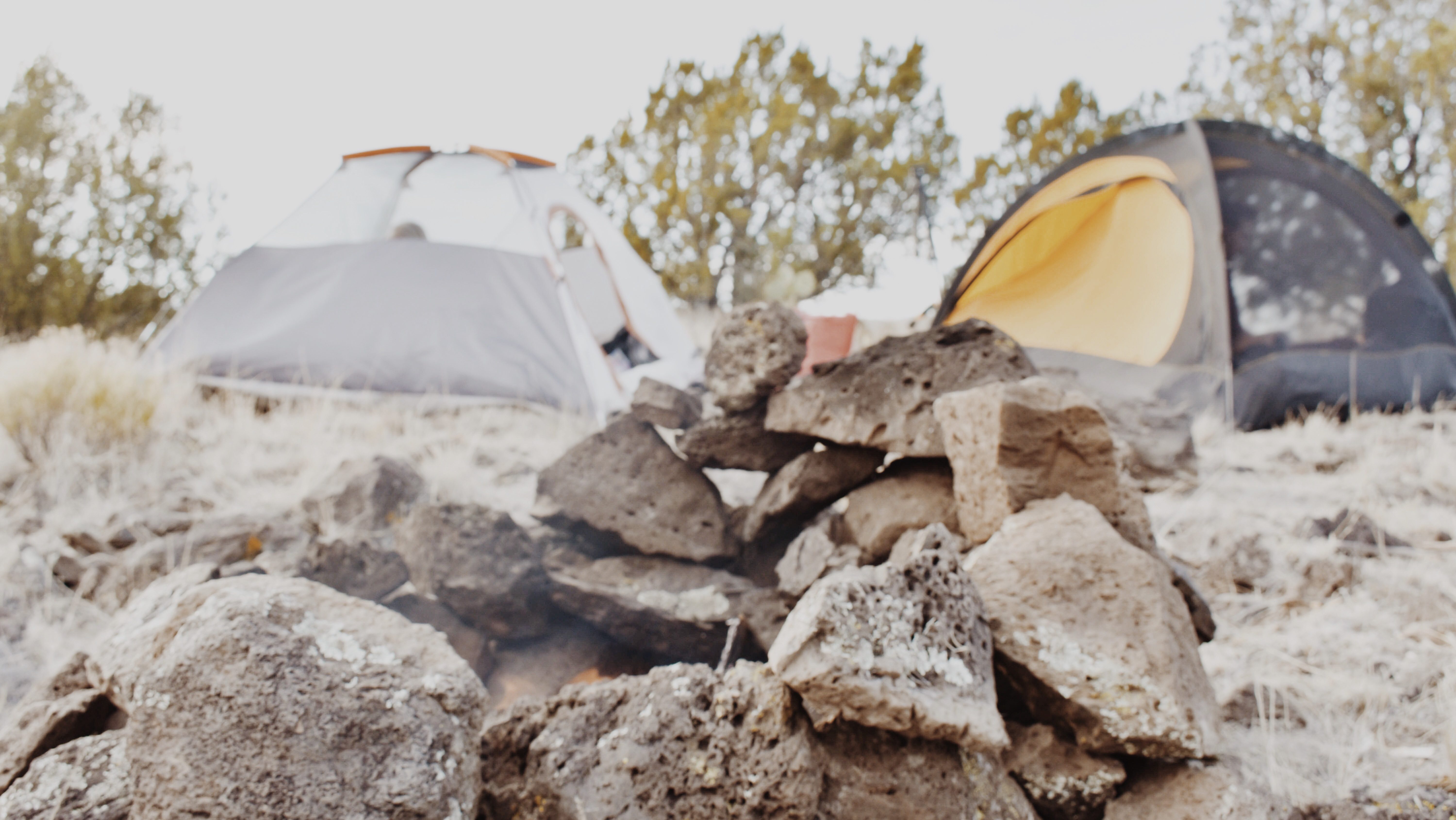
- While campfires can be enjoyable, they can also have significant environmental impacts. Before starting a fire, check for fire regulations and restrictions in the area. If allowed, use established fire rings or fire pans. Use only small sticks and branches from the ground and avoid breaking branches from living trees. Completely extinguish the fire, leaving no trace of its presence.
- Respect Wildlife:
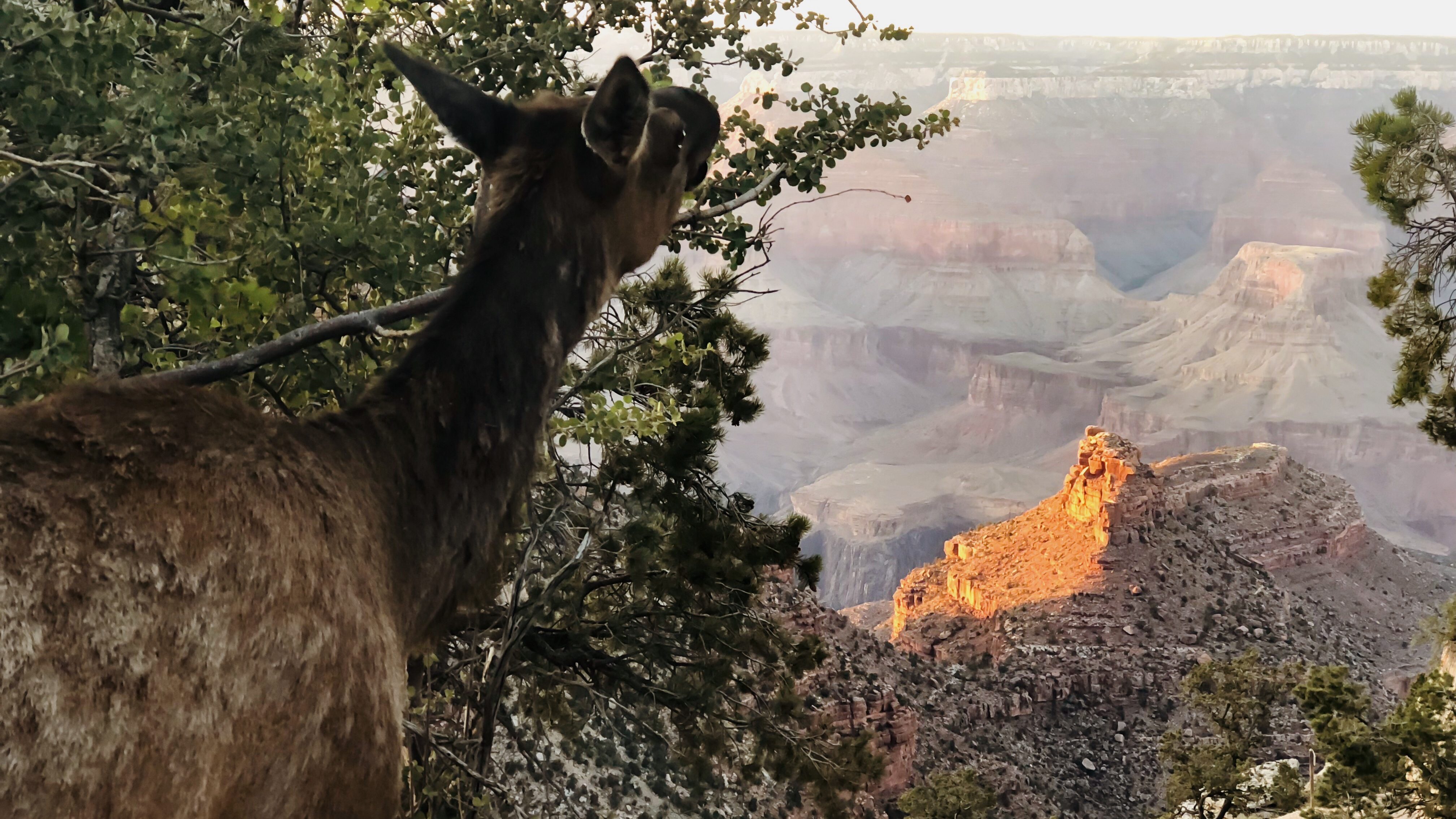
- One of the joys of being in nature is encountering wildlife. Observe animals from a safe distance and resist the temptation to feed or approach them. Keep food securely stored to avoid attracting wildlife, which can disrupt their natural behaviors and create dangerous situations for both animals and humans. Make sure to be aware of the animals that you may encounter and what you would do if you find yourself in that situation.
- Be Considerate of Other Visitors:
- As more people enjoy the outdoors, it’s important to be considerate of fellow hikers and adventurers. It is common practice for hikers heading downhill to step aside to allow hikers coming uphill to easily pass. Be respectful of others’ privacy, and keep noise levels to a minimum. Share the trail, be friendly, and help create a welcoming and inclusive outdoor community.
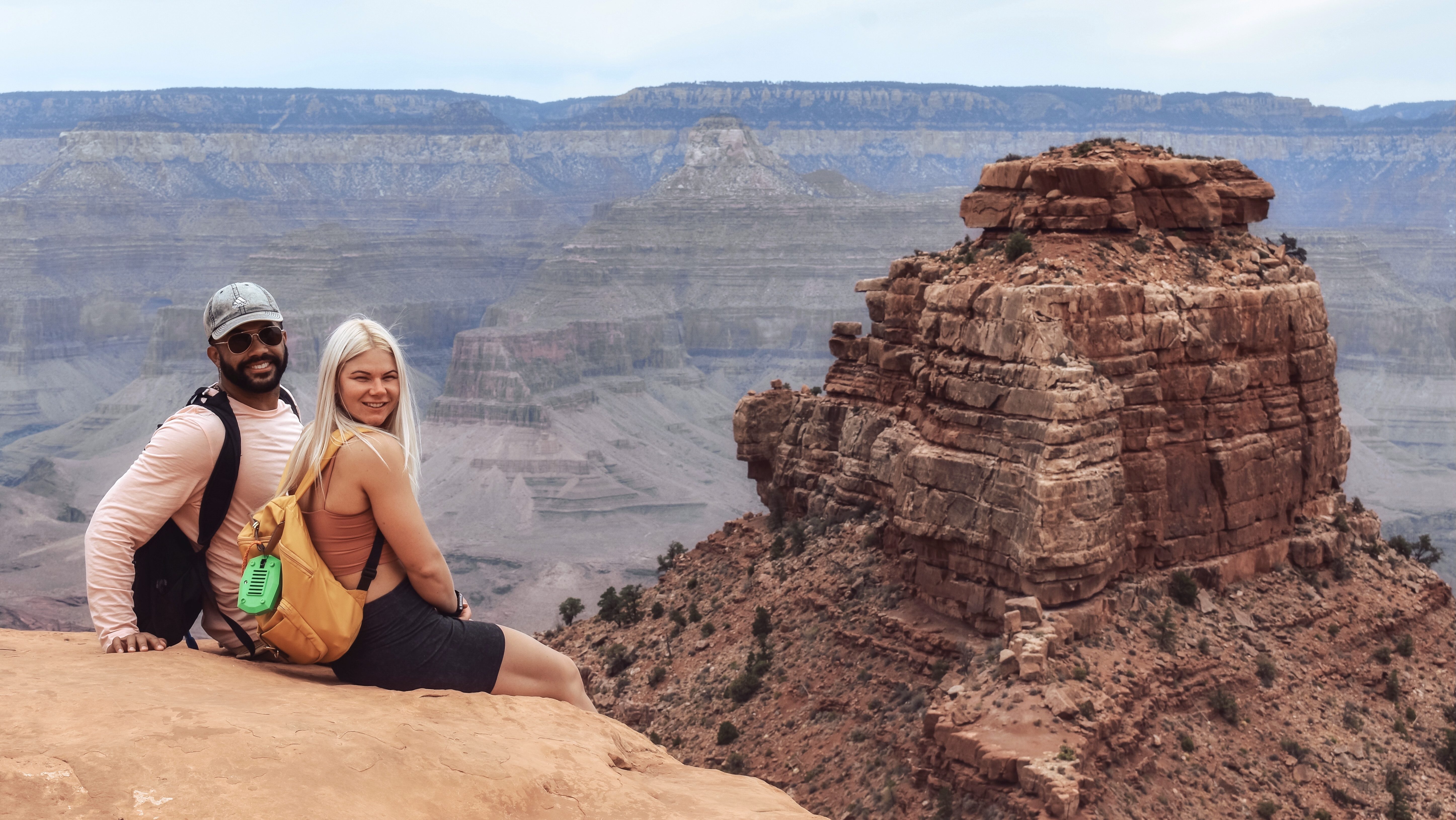
Embracing and adhering to the Leave No Trace principles is essential for anyone seeking to explore the beauty of nature responsibly. By following these guidelines, we can all play a role in preserving and protecting our outdoor spaces for future generations. Remember, as you step into nature, leave only footprints, take only memories, and cherish the natural wonders that surround us. Happy hiking and outdoor adventures!
 Annalise Adventuring
Leave a comment