
The Dolomites are a breathtaking mountain range located in northern Italy, known for their dramatic peaks, rolling green meadows, fairytale villages, and some of the most stunning scenery in the world. Whether you’re an avid hiker, a casual explorer, or someone just looking for those once-in-a-lifetime views, the Dolomites truly have something for everyone. But, like any epic adventure, there are a few things you’ll want to know before you go to make your trip as smooth and easy as possible.
After spending time exploring both the western and eastern sides of the Dolomites, I’m sharing all my best insider tips that I wish I knew beforehand — from driving advice and packing essentials to weather, dining, and cultural tips — so you can plan your dream Dolomites adventure with confidence!
If you want my full Dolomites guide, which includes an in-depth 6-day itinerary, as well as a map with all the best photo spots, hiking trails, restaurant recommendations, and hotel options, you can grab it here on Rexby!
Where are the Dolomites located?
The Dolomites are located in northern Italy. The eastern part of the Dolomites are 2 hours north of Venice and the western part is roughly 3 hours northwest of Venice.
Getting There/Driving
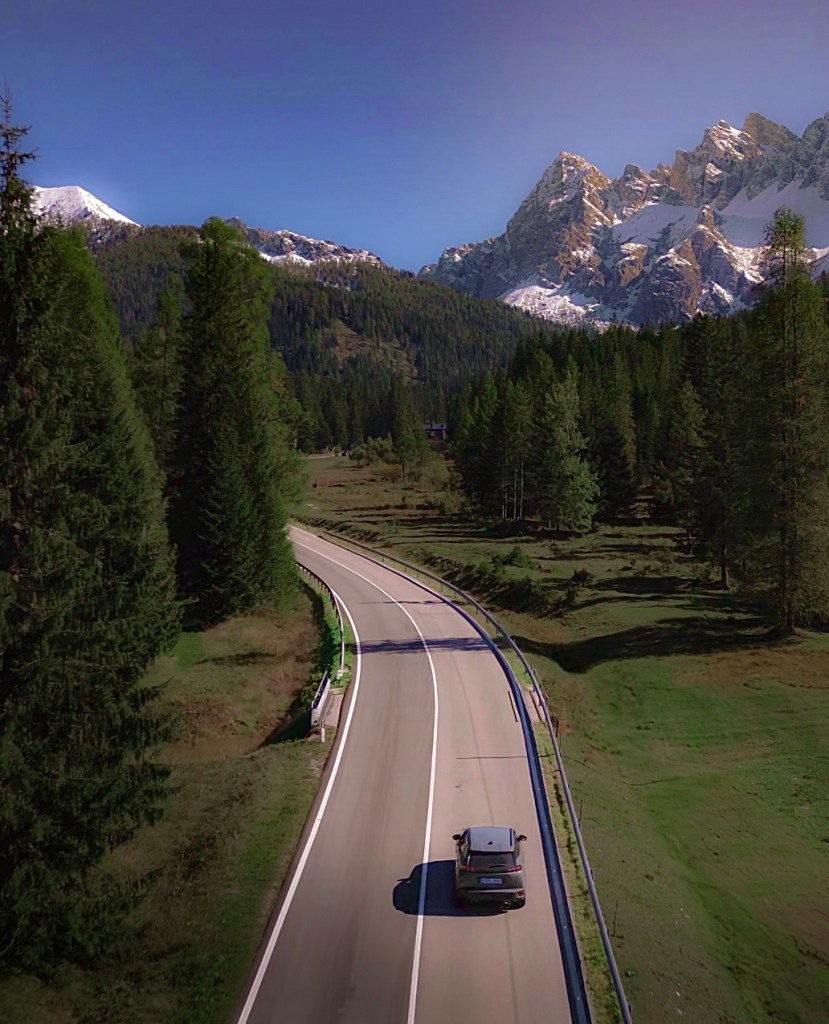
There is a bus you could take from Venice, however I do recommend renting a car because public transportation is limited, and having your own vehicle gives you the flexibility to visit the most scenic spots at sunrise and sunset and just be able to be on your own schedule. You’ll be able to do and see a lot more if you rent a car.
A few things to know about driving:
- The mountain roads can be narrow, steep, and winding, so just take it slow and be extra cautious around corners.
- If you don’t drive stick shift, make sure to reserve an automatic car early. Automatics are limited in Italy and book up fast.
- You’ll likely use toll roads (Autostrada) to reach the Dolomites, so keep some Euros or a credit card handy for toll booths.
- Watch out for speed cameras, especially on highways and near small towns. We saw quite a few when we were there. Tickets will get mailed even to rental car drivers, so stick to the posted speed limits!
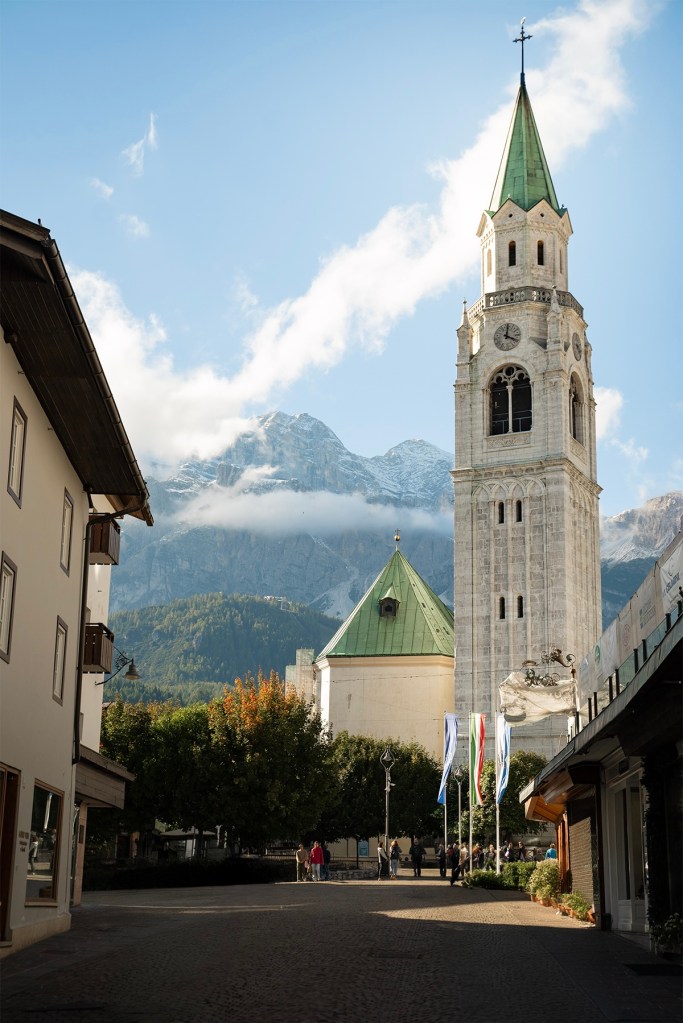
- Be aware of ZTL zones (limited traffic zones) in town centers like Ortisei and Cortina. These areas are restricted to local traffic only, and entering by accident can result in a fine. GPS doesn’t always warn you, so keep an eye out for signs!
Overall, we had a great experience driving around and it’s absolutely the best way to explore the Dolomites!
Parking
In peak season, parking fills up fast at many spots so getting there early is key. Also, some parking lots only take cash, so always keep some Euros on hand.
Cell Service
We didn’t really have any major issues, but cell service can be spotty once you’re deeper into the mountains or on certain hikes. I recommend downloading offline maps on Google Maps or Apple Maps ahead of time, and always download your hike routes offline in AllTrails before heading out just to be safe.
Names Of Places
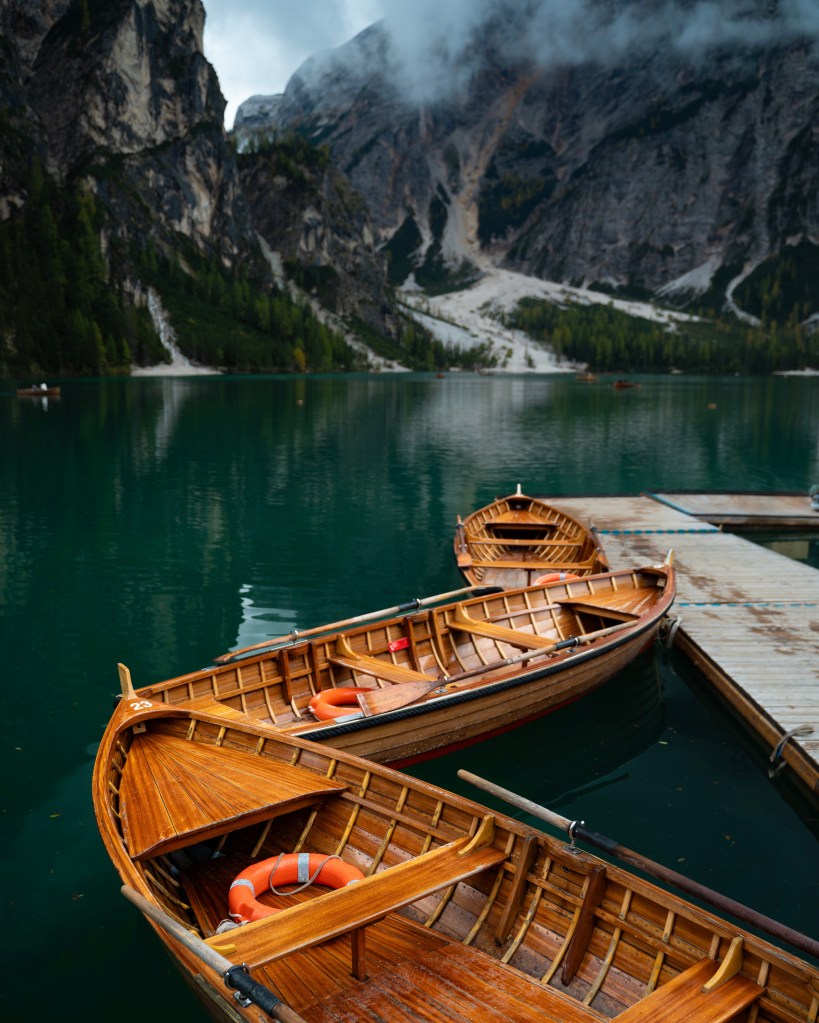
One important thing to know when visiting the Dolomites is that many places have two or even three different names and it can definitely get a little confusing at first! This is because the region is influenced by both Italian and German languages, so some places have names in both (and sometimes even a local Ladin name too). I tried to stick with the most commonly used name for each location, but if you hear a different name elsewhere or see it written differently, don’t worry, it’s usually the same place, just called by a different name depending on the language.
Exploring The Dolomites
When planning your trip, I recommend splitting the Dolomites into two main areas: the western side and the eastern side, spending 2-3 days in each.
- For the western side, the main town that’s centrally located for exploring is Ortisei. Some of the must-visit spots on the west side include Seceda, Alpe di Siusi, Geisler Alm, and Val di Funes.
- For the eastern side, Cortina d’Ampezzo is the main base. Must-see spots on the east side include Tre Cime di Lavaredo, Cadini di Misurina, Lago di Braies, and Lago di Sorapis.
When is the best time to visit?
- June to September is prime hiking season, but it’s also the busiest time for tourism.
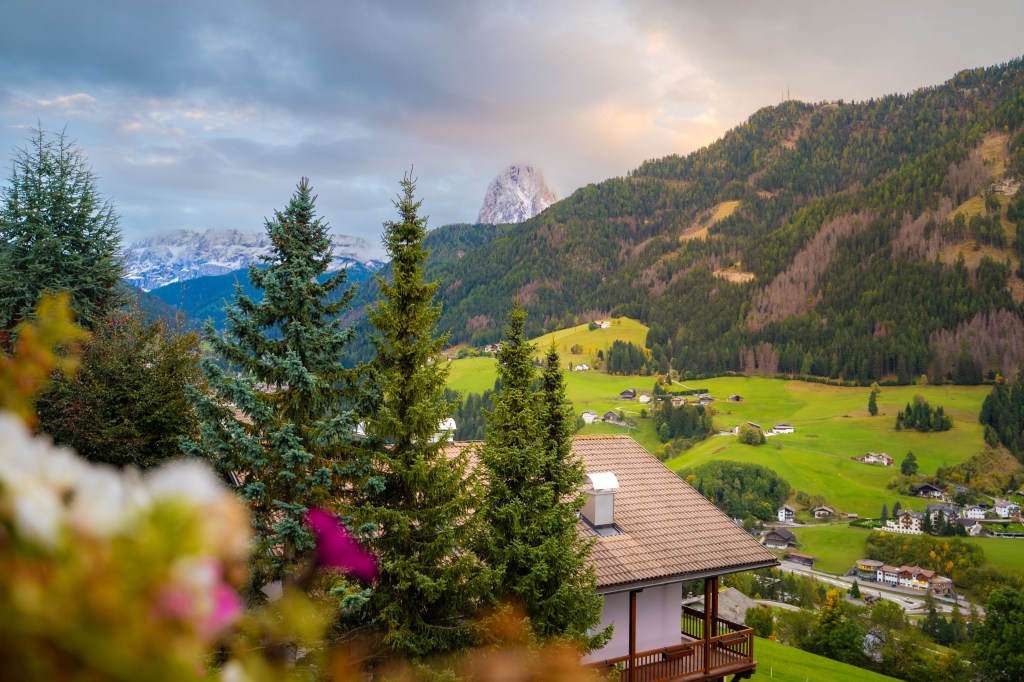
- Late September through October brings fewer crowds and stunning golden larch trees, but be prepared for some rainy days or even early snow.
- Winter (December–March) is ski season. Many hiking trails and some mountain roads will be closed during this time.
- Spring (April–May) can be tricky because many trails are still snow-covered or muddy and some lifts may not yet be open.
Milano Cortina Winter Olympics 2026
It’s really important to know that Cortina d’Ampezzo will be hosting the 2026 Winter Olympics, which means a lot of construction and upgrades are already happening around the area. When we visited in October 2024, we noticed multiple projects underway, and you can expect even more leading up to the Games. This could mean road closures, detours, limited parking, construction noise, and possibly some lift closures as they finish infrastructure upgrades. It’s definitely something to keep in mind when planning your trip. Leave extra time for driving and expect a few areas around town to feel busier or harder to access. Prices for hotels and restaurants are also expected to rise as the Olympics get closer, especially in 2025, so booking accommodations early is a smart move.
If you want a quieter and more affordable alternative, another awesome creator, Lorenzo (@im.loreviews), recommended staying in Misurina instead of Cortina. Misurina is a peaceful lakeside village about 20–25 minutes from downtown Cortina, and it’s a great base for hiking, visiting Tre Cime di Lavaredo, and exploring the eastern Dolomites. Lodging is also generally more budget-friendly compared to Cortina. Staying in Misurina gives you easy access to all the adventure without being caught up in the Olympic construction chaos!
Budget & Costs
Another thing to plan for is your budget. One of the best surprises about visiting the Dolomites is that it can actually be really affordable.
Hotels typically range from around €100–€200 per night, depending on the season, and you’ll usually get the best deals if you book several months in advance. Rifugios (mountain huts) are an awesome option for budget travelers, since they typically cost €50–€100 per night, and most include breakfast and dinner, which saves you even more.
When it comes to food, we felt like prices were very reasonable and pretty similar or even cheaper than what we’re used to in Atlanta. We ate at several really nice restaurants and had incredible meals without the huge price tag. Plus, you can’t beat €6 Aperol Spritzes and €2 cappuccinos!
If you’re looking to save money, local bakeries and grocery stores like Coop and Despar are great for budget-friendly lunches, snacks, and picnic supplies.
It’s also worth mentioning that gas is expensive compared to U.S. prices, so if you’re driving a lot, definitely factor fuel costs into your overall trip budget.
Most places do accept credit cards, but it’s always a good idea to carry a little cash (Euros) for parking lots, small shops, rifugios, and bakeries that might be cash-only. There are ATMs in bigger towns like Ortisei and Cortina if you need to withdraw more, but they aren’t always available in smaller villages.
Weather & Packing Tips
Since you’re heading into the mountains, weather can change fast, no matter what time of year you visit.
Even in summer, mornings and evenings can be chilly, so I recommend packing layers like light jackets, sweaters, a good rain jacket, and moisture-wicking clothing for hiking.
Afternoon thunderstorms are pretty common in July and August, especially after 1–2 PM. Always check the forecast daily and plan your hikes for early mornings if you can. I also suggest keeping a small backpack with a rain jacket, water, snacks, and an extra layer with you during day hikes just to be safe.
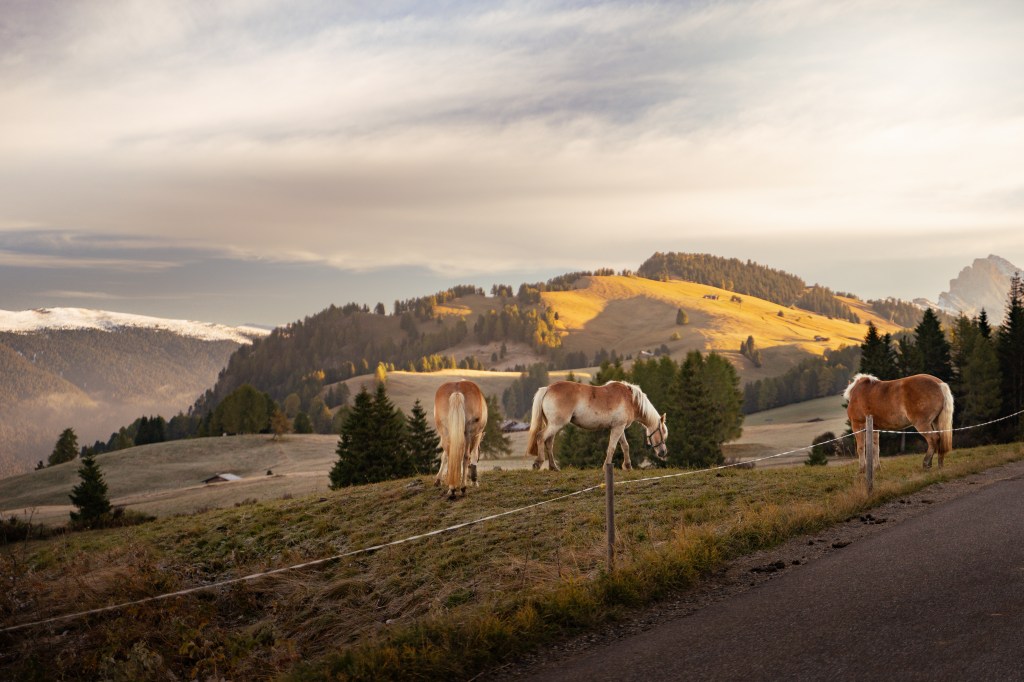
Sunrises and sunsets are absolutely magical in the Dolomites. If you want the best photos and most peaceful moments, definitely build a few early mornings or sunset outings into your itinerary. Trust me, it’s worth the effort!
Local & Cultural Tips
The Dolomites have a really special culture that’s a mix of Italian, German, and Ladin influences, which you’ll notice in everything from the food to the architecture.
The region of South Tyrol is officially bilingual, so you’ll see signs and menus in both Italian and German (and sometimes Ladin too).
Restaurant Tips
One thing to keep in mind is that restaurants often close between 12:00 PM and 3:00 PM for a midday break, especially in smaller towns. It’s a good idea to plan your meals ahead and know where you want to eat if you’re out exploring. Also, during the off-season (like October–early December and April–May), many restaurants are closed on random days, even if Google Maps says they’re open. In bigger towns like Ortisei and Cortina, it’s still pretty easy to find a place to eat without a reservation, but in smaller villages, it can be more challenging.
In peak season, if you want to eat at a specific restaurant, I would recommend scheduling a reservation because a lot of the popular restaurants get booked up.
Restrooms
Public restrooms can be few and far between once you’re out hiking or driving between small towns. Some trailheads and gondola stations have paid restrooms (€0.50–€1.00), and a lot of cafés or restaurants will let you use the restroom if you grab a coffee or snack. It’s always a good idea to use the bathroom whenever you have the chance!
Support Local
Finally, I always try to say, support local businesses whenever you can. Eat at locally owned restaurants, stay at family-run hotels, buy souvenirs from local artisans. It’s the best way to get an authentic experience and give back to the communities that make the Dolomites so special.
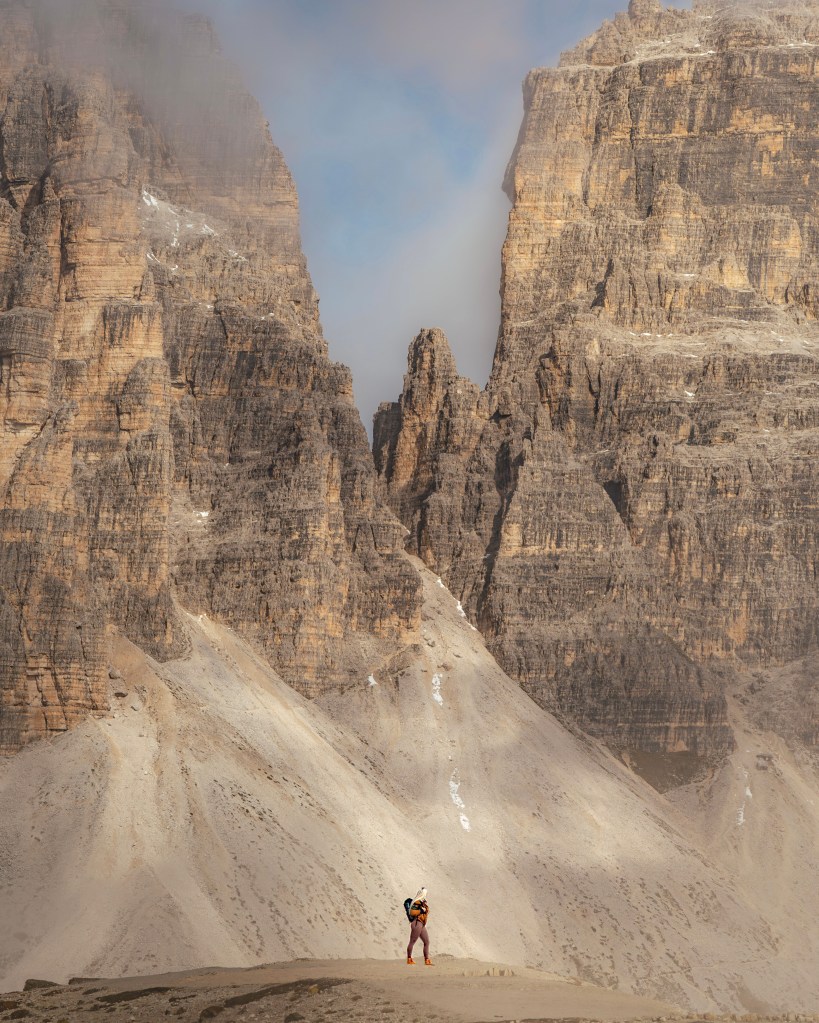
The Dolomites are truly one of the most magical places I’ve ever traveled to and with a little planning and insider knowledge, your trip can be just as unforgettable. I hope these tips help you feel more prepared and excited to experience everything this incredible region has to offer.
There is so much to do in the Dolomites, so if you want even more help planning your adventure, be sure to check out my full Dolomites guide on Rexby here. I created an incredible, adventurous 6-day itinerary, and the guide also has a map with all the best hikes, photo spots, and different hotel/restaurant recommendations based on your desired budget. This will have everything you need to make your trip as epic as possible. Trust me, it’ll save you so much time and make planning your trip a whole lot easier!
 Annalise Adventuring
Leave a comment